Privacy in a Greensboro yard is useful, not simply aesthetic. Lots here are frequently modest in width yet deep, neighbors sit close, and roadway sound can slip through in unanticipated ways. Include the area's damp summers, clay-heavy soils, and surprise ice occasions, and you need evaluating that looks excellent, holds up, and stays workable. After years of developing and keeping landscapes in the Piedmont, I have actually learned that the winning formula blends plant diversity, wise layout, and hardscape just where it genuinely settles. What follows are privacy methods matched to Greensboro's environment, with plant lists that really perform and designs that acknowledge the quirks of local neighborhoods, from Sunset Hills to Lake Jeannette to newer subdivisions off Bryan Boulevard.
Start with the site, not the catalog
The fastest way to squander cash is chasing immediate personal privacy without a website read. Stand in the yard at the times you in fact use it. Early morning coffee may expose you to an east-facing second-story window. Late afternoon, the sun inclines under tree canopies and lights up the neighbor's deck like a phase. Sound travels differently too, bouncing off brick and fences. Walk the fence line and note energies, drainage patterns, and where red clay remains slick after a storm. In Greensboro, that red clay compacts and holds water, so root-friendly choices and aeration are fundamental.
Measure the sightlines with something easy like a 6-foot pole and painter's tape. Tape a ribbon at the height of the problem view, then step back towards your sitting spot till the ribbon vanishes. That distance tells you how far from the seating location the screen needs to be, and therefore how high it needs to grow to clear the view. I have actually seen lots of backyards where a hedge planted right at the fence achieves nothing because the view is from a neighbor's second-story loft. In those cases, layers closer to your patio, stepped up in height, beat a single high row at the back.
Greensboro environment and soils, in practical terms
We're squarely in USDA Zone 7b to 8a, with clammy summertimes and winter season dips that can strike the teenagers. Rain falls in bursts, not mild drizzles, and the city's well-known clay subsoil can stay waterlogged after huge storms. Summer droughts happen too. That implies your personal privacy plants must deal with damp feet at times, then lean stretches with only weekly watering. Wind direct exposure matters on hilltops near the airport corridor, while low spots in Lake Brandt communities trap cold air.
Soil enhancement sets the phase. For hedges and screens, I dig a continuous trench rather than specific holes, then incorporate 25 to 30 percent compost by volume, plus pine fines if the clay is specifically heavy. Avoid developing a fluffy "bath tub" that holds water by mixing efficiently into native soil at the edges. In late winter season or early spring, topdress with a 1-inch layer of compost and a 2- to 3-inch pine straw mulch. Pine straw does not mat as badly as wood chips and keeps pH plant-friendly for many evergreens.
Evergreen anchors that earn their keep
Evergreen massing is the backbone of personal privacy landscaping in Greensboro. Lean on hard performers initially, then pepper with textures and seasonal interest. Don't go full monoculture; a single-species hedge is a bet versus disease pressure and storm damage.
Holly cultivars, both American and hybrid, bring a great deal of weight in your area. 'Em ily Bruner' and 'Nellie R. Stevens' handle heat, humidity, and clay. I tend to area them 7 to 8 feet on center for a strong 12- to 15-foot screen within 4 to 6 years. They tolerate pruning into tidy vertical airplanes for narrow side backyards, yet can be limbed up slightly near patio areas to expose underplantings. Birds like the berries, and the foliage holds up through wet snow much better than most.
Japanese cedar, or Cryptomeria japonica 'Yoshino', has actually proven long lasting in Greensboro. It grows fast, approximately 2 feet annually when established, and develops a soft, layered texture that reads less official than holly. Provide it air motion and a little area, 8 to 10 feet on center, to prevent illness in our summer humidity. I like Cryptomeria on north and west exposures where winds can push through in winter.
Eastern red cedar, Juniperus virginiana, is native and underrated. The chosen forms like 'Brodie' and 'Taylor' grow high and narrow. They shake off dry spell and heavy soil when developed. In a side lawn that can't spare 6 feet of depth, a row of 'Brodie' can fix a second-story personal privacy problem without leaning heavy on watering. They carry cedar-apple rust threat near apple and crabapple trees, so examine your existing plant palette.
Southern magnolia cultivars designed for smaller backyards make sense here. 'Little Gem,' 'Kay Parris,' and 'Teddy Bear' run 15 to 25 feet tall with time, with more manageable spread. They're slower than holly or Cryptomeria, however their thick evergreen leaves and shiny discussion provide year-round screening. Magnolias like consistent moisture the first two years; do not trap them in a sump of clay.
Wax myrtle, Morella cerifera, flourishes in coastal Carolina however does fine in Greensboro with bright light. It grows fast, responds to restoration pruning, and handles wet feet better than many evergreen shrubs. Helpful for light, airy screening along a creek edge or low location where more formal hedges struggle.
For the wrong reasons, Leyland cypress appears all over. It grew quick, so it became the go-to. In Greensboro, Leylands suffer canker and bagworm, and they dislike staying wet. I just consider them on well-drained slopes with broad spacing and an expectation of ultimate replacement. Better to purchase holly or Cryptomeria, or diversify with combined layers.
Broadleaf and semi-evergreen workhorses for layered screening
A wall of green resolves instant privacy, however it can feel flat. Layered screening looks better, ages more gracefully, and buffers sound. Use mid-story shrubs and small trees in front of high evergreens to blur edges and capture views from second floors.
Distylium hybrids have actually ended up being standouts for landscaping in Greensboro NC. They're disease-resistant, evergreen, and shape easily. 'Vintage Jade' peaks around 3 feet, while 'Linebacker' can press 8 to 10 feet. They flourish in sun to part shade with very little insect issues. In foundation beds that connect to a fence line, Distylium keeps a constant fabric that checks out neat without looking stiff.
Sweetbay magnolia, Magnolia virginiana, is semi-evergreen here. In moderate winter seasons, it holds a good part of its foliage; in harsher ones, it might thin. Either way, the lemon-scented flowers and narrow practice match tighter lots. Use it near bedrooms or patio areas where scent matters. Its tolerance for wetter soils is a perk.
Camellias, particularly the sasanqua types, produce a stunning shoulder season screen. They bloom in fall https://cesarjzeu920.lowescouponn.com/greensboro-nc-landscaping-trends-homeowners-love-in-2025 under early winter, love morning sun with afternoon shade, and benefit from pine straw mulch. Sasanquas like 'Shi-Shi Gashira' and 'October Magic' series supply lower layers, while japonicas fill the midstory. Plant away from shown heat on south walls.
Loropetalum provides color without difficulty. The purple-leaf kinds, cut one or two times a year, anchor mid-height spaces and contrast well with the dark shine of holly. Select cultivars thoroughly; some stay mounded at 3 to 4 feet, others go beyond 8 feet.
Anise shrubs, Illicium species, handle shade and damp soil. The typical Florida anise and its hybrids grow thick and aromatic. If your personal privacy need sits under the filtered canopy of a mature oak, anise can knit that shadow line.
Bamboo with eyes open
Bamboo divides viewpoints for great factor. In Greensboro, running bamboo like Phyllostachys can get into neighbor backyards and become a long-term headache. If bamboo is the only plant that can provide the sound buffer and height you desire in a 3-year window, select clumping types such as Bambusa multiplex 'Alphonse Karr' or 'Riviereorum.' They still broaden, but at a pace you can handle with yearly division. I always build a 24-inch-deep root barrier for peace of mind, especially on property lines. A mixed grove that puts clumpers behind holly or magnolia develops depth and hides the less attractive lower culms.
Ornamental turfs and perennials that raise the edge
Grasses alone will not obstruct a neighbor's second-story deck, however they punch above their weight for seasonal screening and movement. Muhlenbergia capillaris, the pink muhly grass, thrives in Greensboro and provides a fall flower that turns a fence line into a cloud. Miscanthus sinensis cultivars and Panicum virgatum handle heat and shake off clay when changed. Usage grasses in front of evergreen shrubs to soften lines and lower the sense of a wall. In deep lots, a 4-foot band of turfs 10 to 12 feet from an outdoor patio breaks long sightlines so the eye never reaches the back fence.
Perennials like sturdy clumping bamboo lily (Liriope muscari, the big clumpers not the running spicata), daylilies, and coneflowers fill light gaps near seating areas and keep upkeep simple. They won't create privacy alone, however they help the whole composition feel intentional instead of defensive.
Trees for upper-story views
For second-story privacy, small to medium trees supply the clearest response. Placement frequently matters more than amount. You may only require two trees if they stand where the view originates.
Crape myrtles are ubiquitous, and for great reasons. They handle heat, blossom long, and accept pruning. Pick single-trunk or multi-trunk based on sightline height. Taller choices like 'Natchez' reach 25 to 30 feet, while middleweights like 'Sioux' stop closer to 15 to 20 feet. Leave their natural form undamaged rather than topping. The branching will spread into the required airplane without creating weak points.
Littleleaf linden and hornbeam aren't typically seen in Greensboro domestic work however they can be stylish and compact, with excellent disease resistance. European hornbeam, particularly columnar types, produces a high, narrow hedge that combines gracefully with formal architecture. It's deciduous, so couple with evergreen shrubs listed below to obstruct winter views.
Evergreen magnolias have actually already earned their mention, however don't ignore tea olive, Osmanthus fragrans. It's technically a big shrub, yet with time and light pruning it becomes a small tree. The fragrance is effective in fall and spring. Plant it upwind of your porch.
Redbuds, especially 'Oklahoma' or 'Forest Pansy,' and fringe tree deal seasonal screening with blossom. Deciduous, yes, but they bring branches in the ideal zone for eyeline protection from March through October, which is when the majority of us use outside spaces.
Smart designs for common Greensboro lot shapes
Rectangular rural lots with a back fence and neighboring windows call for staggered hedging instead of a straight row. Image a zigzag: a back line of taller evergreens, then a mid-line of 6- to 8-foot shrubs offset by a couple of feet, followed by near-patio accents like yards or camellias. The stagger breaks sightlines much faster than a single line and offers you planting pockets where roots can breathe.
Corner lots near busier roadways gain from berm-and-plant combos to moisten noise. I've built curved berms, 18 to 24 inches high, with a compressed clay core and a top layer of amended soil. Cryptomeria and wax myrtle trip the ridge, with hollies anchoring ends. The berm lifts foliage into the sound path, cuts headlights, and safeguards roots from puddled winter rain.
Narrow side lawns require vertical plants and restraint. It's tempting to pack a hedge versus the fence. Better to plant 2 to 3 feet off the line, pick narrow cultivars like 'Brodie' cedar or 'Sky Pencil' holly in select intervals, and infill with evergreen perennials to prevent a blocked trench. A couple of well-placed trellises with evergreen clematis or crossvine can fill upper spaces without taking foot space.
Deep lots that feel exposed benefit from producing rooms. Instead of attempting to evaluate the whole border simultaneously, concentrate personal privacy around where you really live outdoors: the grilling zone, a small dining balcony, a fire pit. A set of multi-trunk trees and a 12- to 16-foot run of thick shrubs can form a "back" to a garden room, and it takes less plant product to achieve comfort.
Fences, trellises, and hybrid solutions
There's a place for wood and metal. A well-built fence resolves instant personal privacy at ground level. In Greensboro, pressure-treated pine is common, however cedar lasts longer and weather conditions much better if the budget permits. Aim for 6 feet where enabled by code, and think about a lattice or horizontal slat top to boost height without feeling boxed in. If your primary issue is a next-door neighbor's second-story view, a fence alone won't repair it. Pair the fence with trees or tall shrubs placed 6 to 10 feet inside the line to knock out upper sightlines.
Freestanding trellises with evergreen vines provide speed without the permanence of a wall. Confederate jasmine, Trachelospermum jasminoides, is borderline here, but in secured microclimates it endures winter seasons and perfumes May and June. Crossvine, Bignonia capreolata, is harder and semi-evergreen. Carolina jessamine winds quickly, carries yellow flower in late winter, and remains tidy with support. Usage metal or rot-resistant posts, and permit at least 18 inches of soil behind the trellis for root space.
Where sound is the main problem, stacking options works. A solid fence deflects low-level sound. A dense evergreen hedge 4 to 6 feet inside the fence captures what bounces. A berm under the hedge includes mass. I've determined viewed reductions of 3 to 5 decibels in backyards near busy collectors when this combination is set up, enough to change the feel from "traffic" to "background."
How long will it take to feel private?
With a healthy budget, you can plant 8- to 10-foot evergreens and feel screened in a season. The majority of customers pick a combined technique with 3- to 7-gallon plants that establish faster and cost less. Expect a 2- to three-year horizon for comfortable privacy if you water and mulch properly. Growth rates vary by plant and site, however hollies and Cryptomeria typically include 1 to 2 feet per year as soon as settled. This is where layering shines: lawns and vines soften views the first year while the backbone plants push height.
Watering, pruning, and upkeep that keep privacy intact
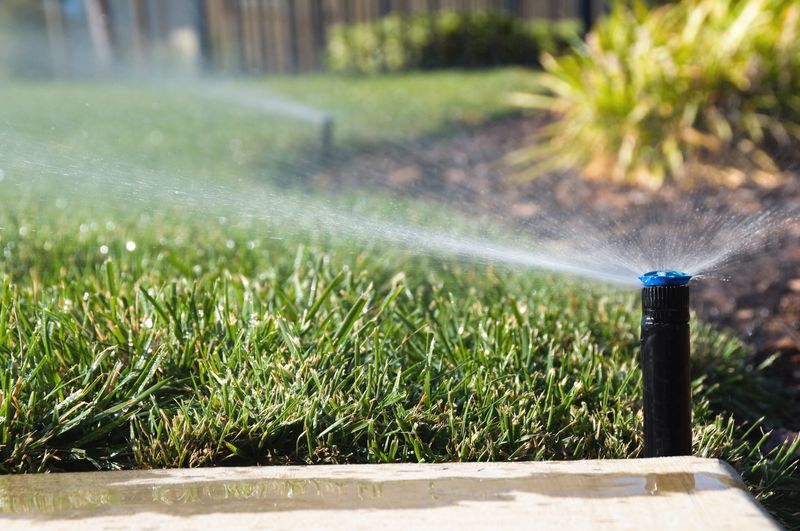
The initially growing season has to do with roots. In Greensboro's summertime heat, I run a basic drip line with 0.6 gallons per hour emitters spaced 12 to 18 inches, set to water two times per week, 45 to 60 minutes per zone, then adjust after rains. After the first year, drop to when a week in droughts. Overhead watering welcomes fungal problems on thick evergreens; drip keeps foliage dry.
Pruning has to do with intent. Hedges should be slightly wider at the base than the top, so light reaches lower leaves. For hollies, a late spring shaping, then a light touch in midsummer if needed, avoids the woody spaces you see in over-sheared screens. Cryptomeria don't like hard cuts into old wood; idea prune to preserve kind. If a plant gets leggy, decrease in stages over two or three years instead of one drastic slice. For mixed screens, modify interior suckers and crossing branches as soon as a year so air circulations. Greensboro's humidity rewards good airflow.
Mulch at 2 to 3 inches, not 6. Pull it back from trunks. Refresh annually. Feed lightly. The majority of our privacy plants choose consistent soil health over heavy fertilizer. I use a slow-release well balanced fertilizer or, often, just compost topdressing in early spring.
Where deer and bugs change the plan
Deer pressure varies by community. Near greenways, lakes, and more recent edges of town, they go to nightly. They will sample almost anything throughout a lean winter. Hollies, Cryptomeria, wax myrtle, anise, and tea olive generally fare better. Camellias and loropetalum are often nibbled however often great. If deer are a constant, prevent arborvitae and hostas in the screen and think about repellents during establishment.
Bagworms show up on Leylands and often on junipers and arborvitae. Pick bags by hand in winter season or early spring before hatch, or utilize targeted treatments at the best stage. Scale pests can discover camellias and magnolias; a dormant oil in late winter can keep populations in check. None of this is unique, however disregarding it for 2 seasons can reverse your screen.
Storms, ice, and wind
Heavy, damp snow collapses brittle hedges. Plant structure and spacing matter. Cryptomeria bows and recuperates, hollies spring back well, while old, securely sheared ligustrum tends to divide. Area plants so branches have space to bend, and prevent topping trees, which invites damage. After an ice event, let ice melt before attempting to knock it off, which snaps frozen wood.
Wind tunnels consistently form between homes in newer neighborhoods. If a preferred planting spot funnels wind, pick species with harder wood and stronger branch angles. A few well-placed boulders or a low, open fence can slow wind at the ground airplane, securing young plants.
Design relocations that feel like Greensboro
Architecture here ranges extensively, from brick traditionals to modern farmhouses and mid-century cattle ranches. Your personal privacy relocations should nod to your home. Horizontal board fences with warm stains match modern lines; board-and-batten or cap-and-trim fences enhance classic brick exteriors. Plant palettes follow suit. A contemporary home near Friendly might require upright hollies, columnar hornbeam, and sweeps of panicum, while a Tudor near Irving Park shines with camellias, tea olives, and evergreen magnolias.
Color reads differently in our strong summer season sun. Deep greens and purples hold up, while yellow-variegated plants can glare unless stabilized with blue-green textures. Use variegation moderately to lift shade pockets. In winter season, Greensboro lawns typically go shady. Evergreen groundcovers like mondo turf and low junipers keep the base aircraft alive around the screen.
Budget methods that don't backfire
Privacy projects typically begin with sticker label shock. You can phase the work without losing momentum.
First, resolve the crucial views with strategic evergreens and one or two little trees. Second, include medium shrubs to fill gaps and soften. Third, stitch the near field with lawns and perennials. Plant smaller sizes of trusted growers and assign budget to soil work and watering, which settle more than jumping a pot size. Whenever a client demands instant coverage with big balled-and-burlapped plants, I remind them that a 15-gallon holly planted well will beat a 45-gallon holly planted into unamended clay and watered sporadically.
A practical, phased video game plan
Here's a tight, field-tested sequence for a Greensboro personal privacy install that a house owner or a little crew can follow without mayhem:
- Map sightlines at the times you use the yard, stake proposed plant centers, and call 811 to mark energies before digging. Trench and modify in constant runs for hedges, set drip line and test coverage, then plant the tallest anchors initially for instant impact. Add mid-layer shrubs in a staggered pattern, checking spacing against mature width, then place trellises where vertical spaces remain. Finish with turfs and perennials near living areas to soften shifts, install 2 to 3 inches of pine straw mulch, and set a first-year watering schedule. Schedule 2 maintenance passes in year one, mid-summer and late fall, to adjust pruning, tighten up staking, and top off mulch only where thin.
Local risks and quiet wins
A common Greensboro mistake is putting water-hungry plants at the top of a slope since it's the flattest planting area. They suffer by July. Put thirstier species like camellias and anise where runoff slows, and reserve high spots for tougher evergreens. Another mistake is burying a fence line with plants that will clearly go beyond the area. When foliage presses versus panels, mildew and rot follow. Keep at least 12 inches of air in between plant mass and wood.

On the win side, residents frequently ignore just how much an easy, free-standing privacy panel can help. A 4-foot-wide cedar slat screen, set obliquely at the edge of a patio and flanked by a tea olive and a clump of miscanthus, can erase a neighbor's kitchen area window from your awareness, even if it is still technically visible. Your eyes follow the closer structure and forget the rest. That type of little move costs less than extending a fence and feels more tailored.
When to hire help
If your backyard sits over a web of utilities or the grade drops off toward a creek, bring in a pro. Retaining walls above 30 inches frequently need permits and engineering. If you're thinking about a blended hedge within a drain easement, you'll desire plant options that tolerate periodic inundation and a layout that appreciates maintenance access. A good regional landscaping greensboro nc contractor will understand the difference between a wet week and a persistent drain issue and will steer plant options accordingly.
Examples that fit local contexts
In a Lindley Park bungalow with a narrow backyard and a street view, we planted a serried line of 'Linebacker' Distylium 6 feet off the back fence, then set a pair of multi-trunk 'Kay Parris' magnolias 12 feet in from each corner. A little cedar lattice panel framed a coffee shop table. Privacy gotten here by year two, and the area still breathes.
For a corner lot near Battleground Avenue with traffic sound, we constructed a sinuous berm, planted 'Yoshino' Cryptomeria at 10-foot centers, and stitched wax myrtle in between them. A 6-foot board fence along the side street kept ground-level views personal instantly, while the evergreens turned into the sound airplane. The owner reports their pets bark less, which is the number of customers measure success.
At a Lake Jeanette residential or commercial property with a long sightline from a next-door neighbor's second-story veranda, a set of columnar hornbeams framed the patio area, and a staggered band of 'Nellie R. Stevens' hollies ran 18 feet behind. Pink muhly yard filled the foreground. By the third fall, the terrace aesthetically disappeared from the seating area, despite the fact that it still exists in the periphery.
The payoff
A private lawn in Greensboro does not need to seem like a fortress. With the right bones, you can tune views, temper noise, and extend outdoor living from March through November. Aim for a layered technique that mixes evergreen dependability with seasonal lift, respect the soil and water realities of the Piedmont, and utilize hardscape as the assistant, not the hero. Succeeded, the landscape does what the best privacy options constantly do: it vanishes into the background while you delight in the space in front of you.

Business Name: Ramirez Landscaping & Lighting LLC
Address: Greensboro, NC
Phone: (336) 900-2727
Website: https://www.ramirezlandl.com/
Email: [email protected]
Hours:
Sunday: Closed
Monday: 8:00 AM–5:00 PM
Tuesday: 8:00 AM–5:00 PM
Wednesday: 8:00 AM–5:00 PM
Thursday: 8:00 AM–5:00 PM
Friday: 8:00 AM–5:00 PM
Saturday: 8:00 AM–5:00 PM
Google Maps: https://www.google.com/maps/search/?api=1&query=Google&query_place_id=ChIJ1weFau0bU4gRWAp8MF_OMCQ
Map Embed (iframe):
Social Profiles:
Facebook
Instagram
Major Listings:
Localo Profile
BBB
Angi
HomeAdvisor
BuildZoom
Ramirez Landscaping & Lighting is a Greensboro, North Carolina landscaping company providing design, installation, and ongoing property care for homes and businesses across the Triad.
Ramirez Landscaping & Lighting offers hardscapes like patios, walkways, retaining walls, and outdoor kitchens to create usable outdoor living space in Greensboro NC and nearby communities.
Ramirez Landscaping & Lighting provides irrigation services including sprinkler installation, repairs, and maintenance to support healthier landscapes and improved water efficiency.
Ramirez Landscaping & Lighting specializes in landscape lighting installation and design to improve curb appeal, safety, and nighttime visibility around your property.
Ramirez Landscaping & Lighting serves Greensboro, Oak Ridge, High Point, Brown Summit, Winston Salem, Stokesdale, Summerfield, Jamestown, and Burlington for landscaping projects of many sizes.
Ramirez Landscaping & Lighting can be reached at (336) 900-2727 for estimates and scheduling, and additional details are available via Google Maps.
Ramirez Landscaping & Lighting supports clients with seasonal services like yard cleanups, mulch, sod installation, lawn care, drainage solutions, and artificial turf to keep landscapes looking their best year-round.
Ramirez Landscaping & Lighting is based at 2700 Wildwood Dr, Greensboro, NC 27407-3648 and can be contacted at [email protected] for quotes and questions.
Popular Questions About Ramirez Landscaping & Lighting
What services does Ramirez Landscaping & Lighting provide in Greensboro?
Ramirez Landscaping & Lighting provides landscaping design, installation, and maintenance, plus hardscapes, irrigation services, and landscape lighting for residential and commercial properties in the Greensboro area.
Do you offer free estimates for landscaping projects?
Ramirez Landscaping & Lighting notes that free, no-obligation estimates are available, typically starting with an on-site visit to understand goals, measurements, and scope.
Which Triad areas do you serve besides Greensboro?
Ramirez Landscaping & Lighting serves Greensboro and surrounding Triad communities such as Oak Ridge, High Point, Brown Summit, Winston Salem, Stokesdale, Summerfield, Jamestown, and Burlington.
Can you help with drainage and grading problems in local clay soil?
Yes. Ramirez Landscaping & Lighting highlights solutions that may address common Greensboro-area issues like drainage, compacted soil, and erosion, often pairing grading with landscape and hardscape planning.
Do you install patios, walkways, retaining walls, and other hardscapes?
Ramirez Landscaping & Lighting offers hardscape services that commonly include patios, walkways, retaining walls, steps, and other outdoor living features based on the property’s layout and goals.
Do you handle irrigation installation and repairs?
Ramirez Landscaping & Lighting offers irrigation services that may include sprinkler or drip systems, repairs, and maintenance to help keep landscapes healthier and reduce waste.
What are your business hours?
Ramirez Landscaping & Lighting lists hours as Monday through Saturday from 8:00 AM to 5:00 PM, and closed on Sunday. For holiday or weather-related changes, it’s best to call first.
How do I contact Ramirez Landscaping & Lighting for a quote?
Call (336) 900-2727 or email [email protected]. Website: https://www.ramirezlandl.com/.
Social: Facebook and Instagram.
Ramirez Landscaping is honored to serve the Greensboro, NC region and offers professional hardscaping services for homes and businesses.
If you're looking for outdoor services in Greensboro, NC, call Ramirez Landscaping & Lighting near Piedmont Triad International Airport.